Engineering & Manufacturing Capability

DN15โ€“DN4000 | PN6โ€“PN200 | -60ยฐC to +130ยฐC

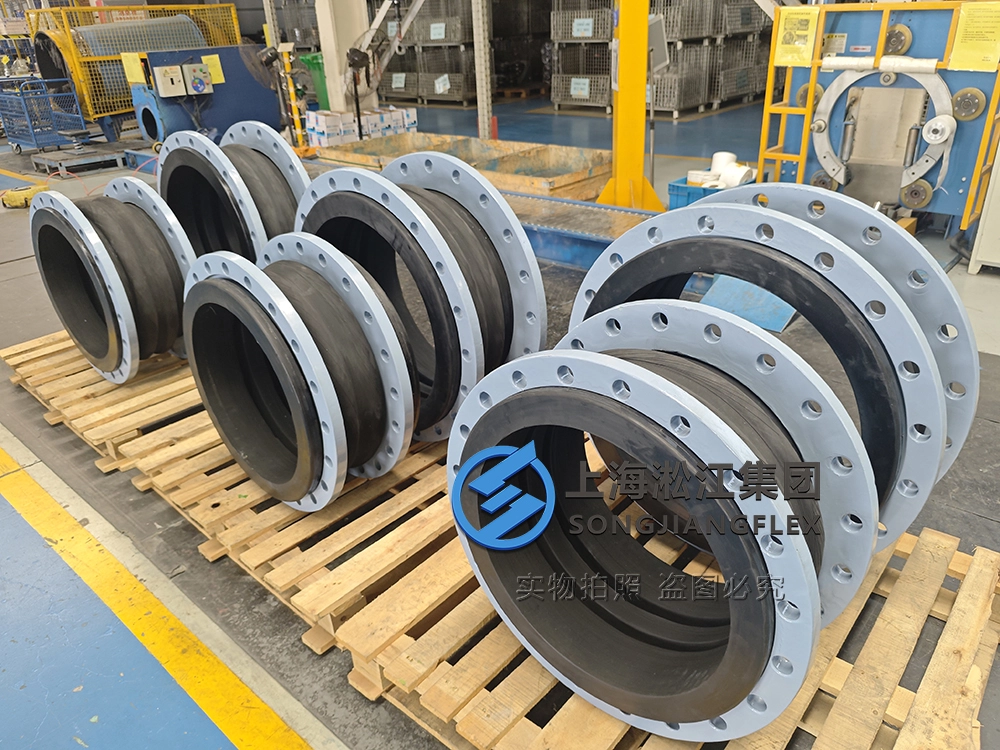
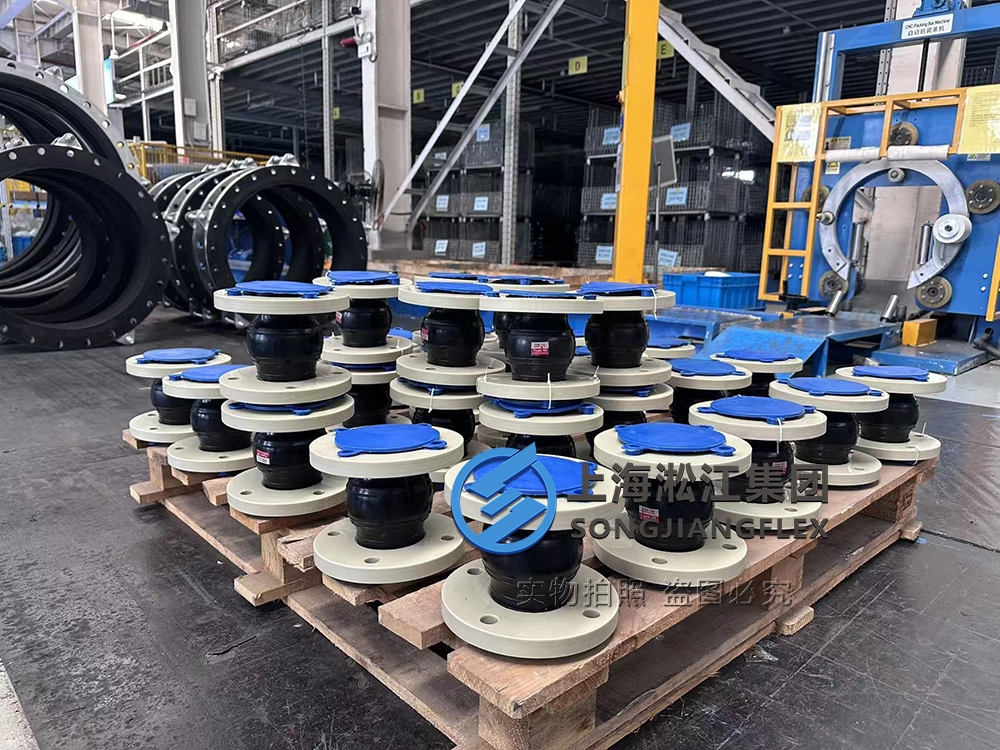
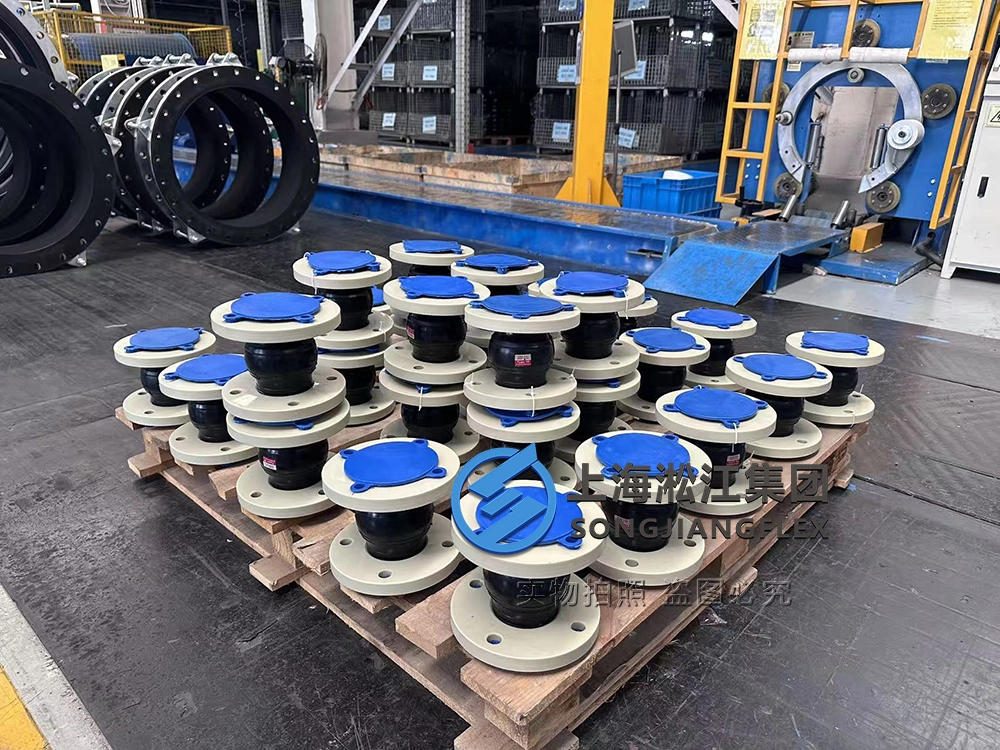
We manufacture custom rubber expansion joints with specialized constructions, elastomers, reinforcement systems, liners, and flange configurations to meet demanding project specifications. From high-pressure and high-movement applications to aggressive media and severe service conditions, we build each joint to the required design, materials, dimensions, and operating parameters.

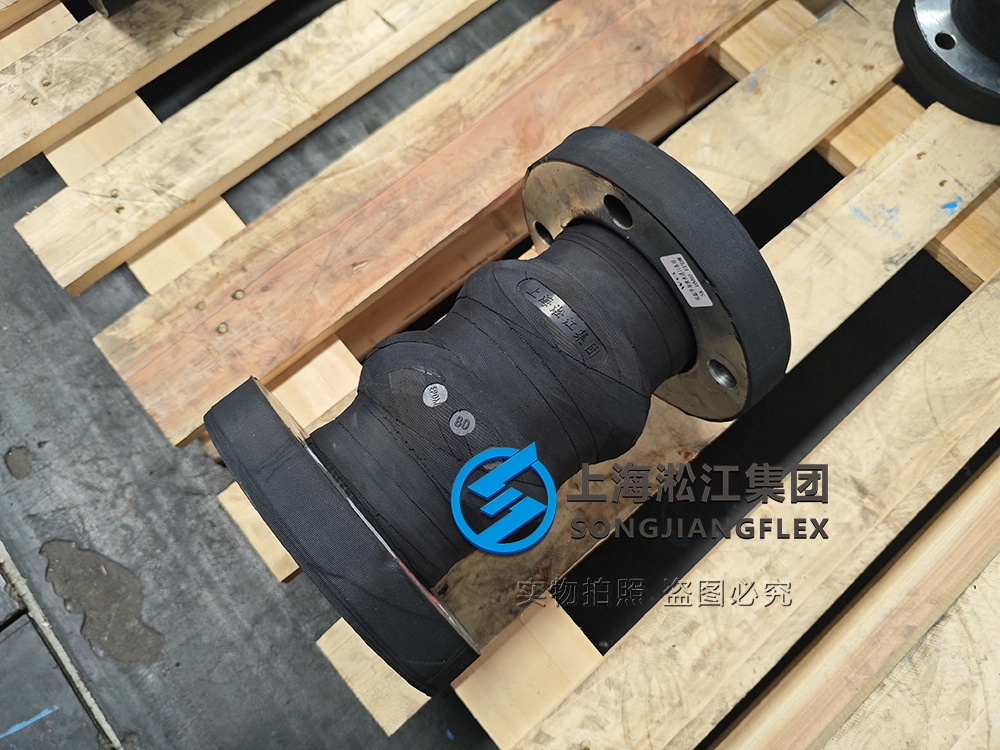
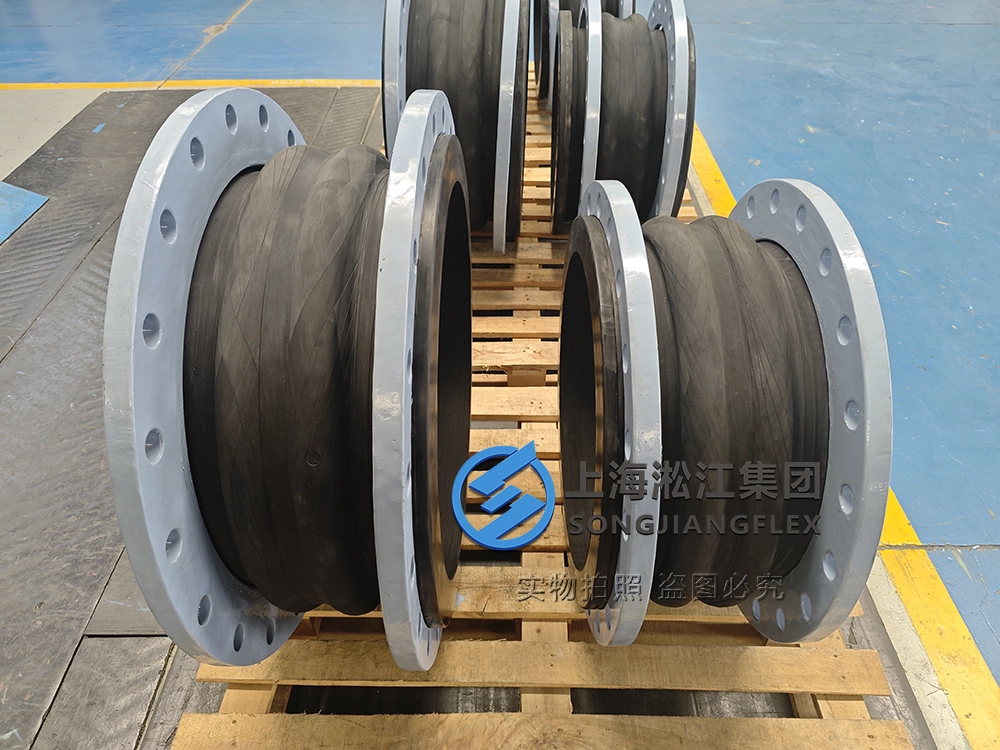
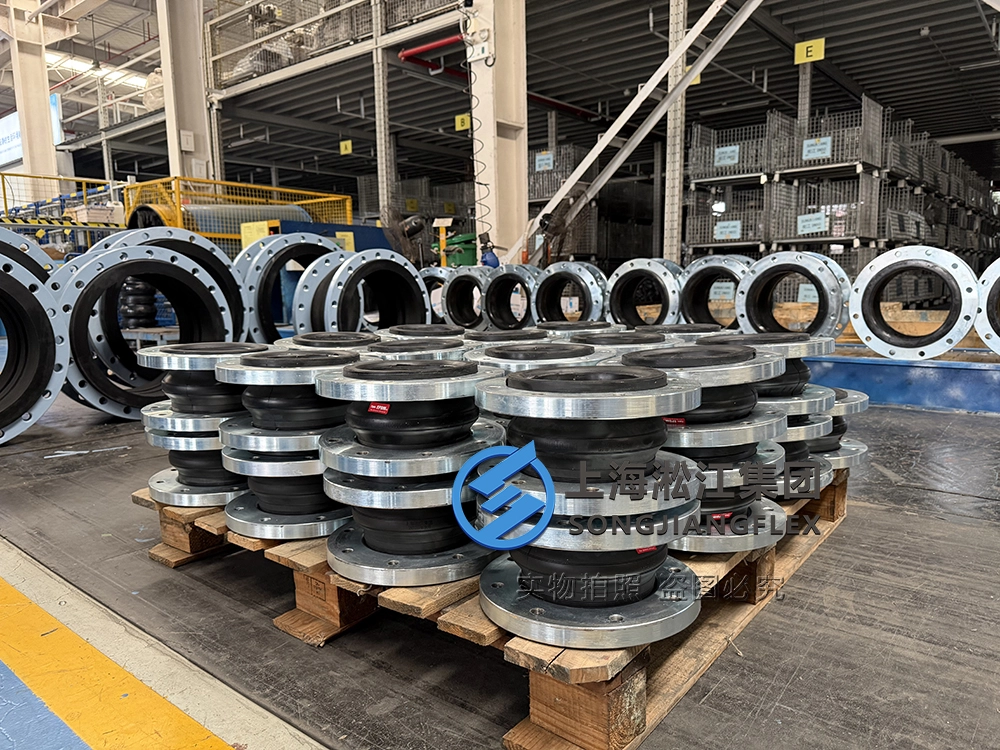
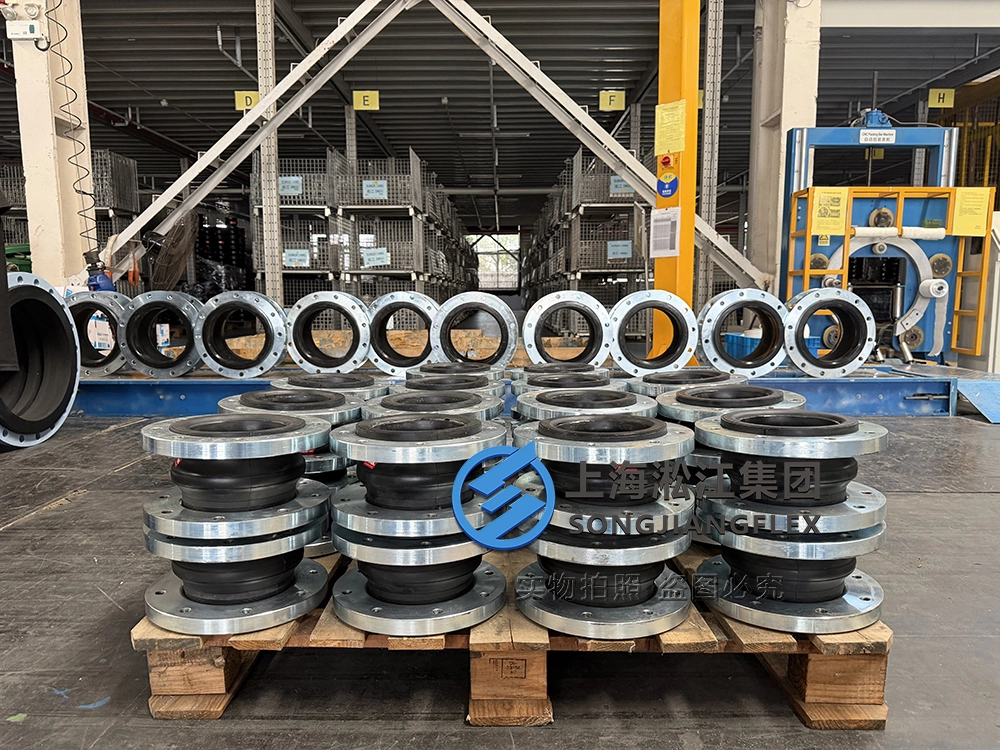
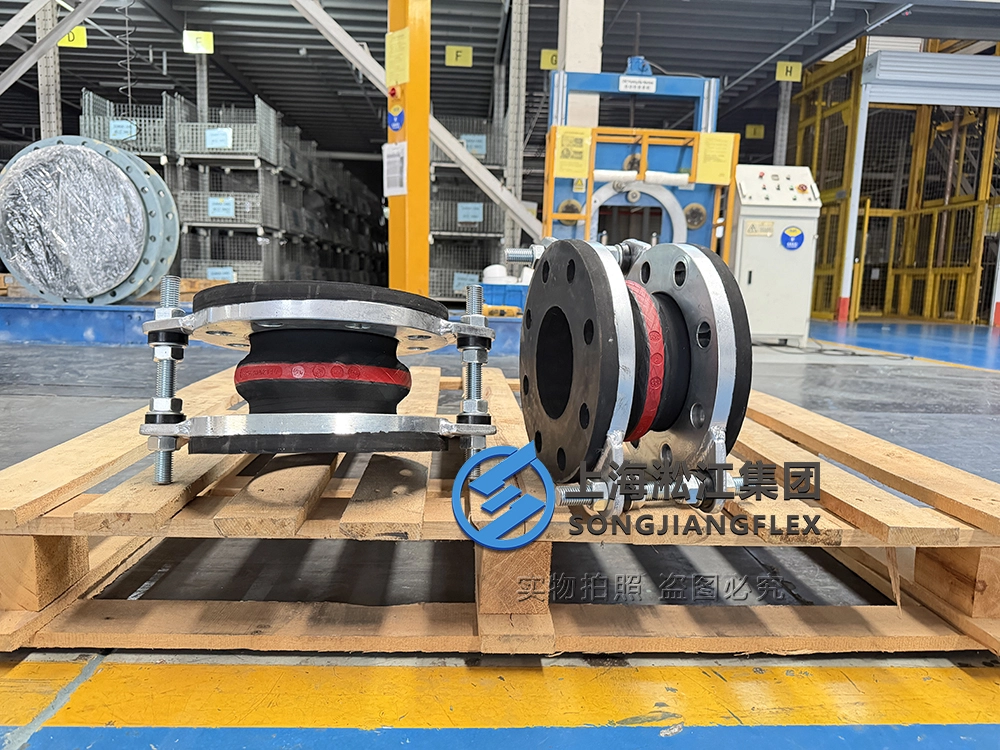
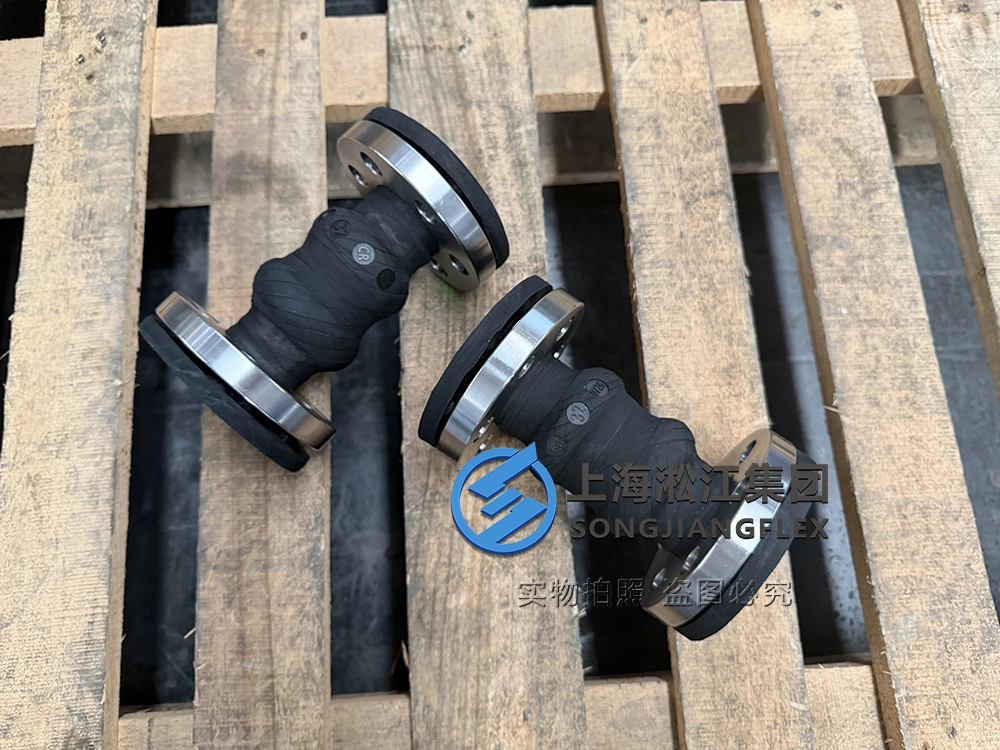
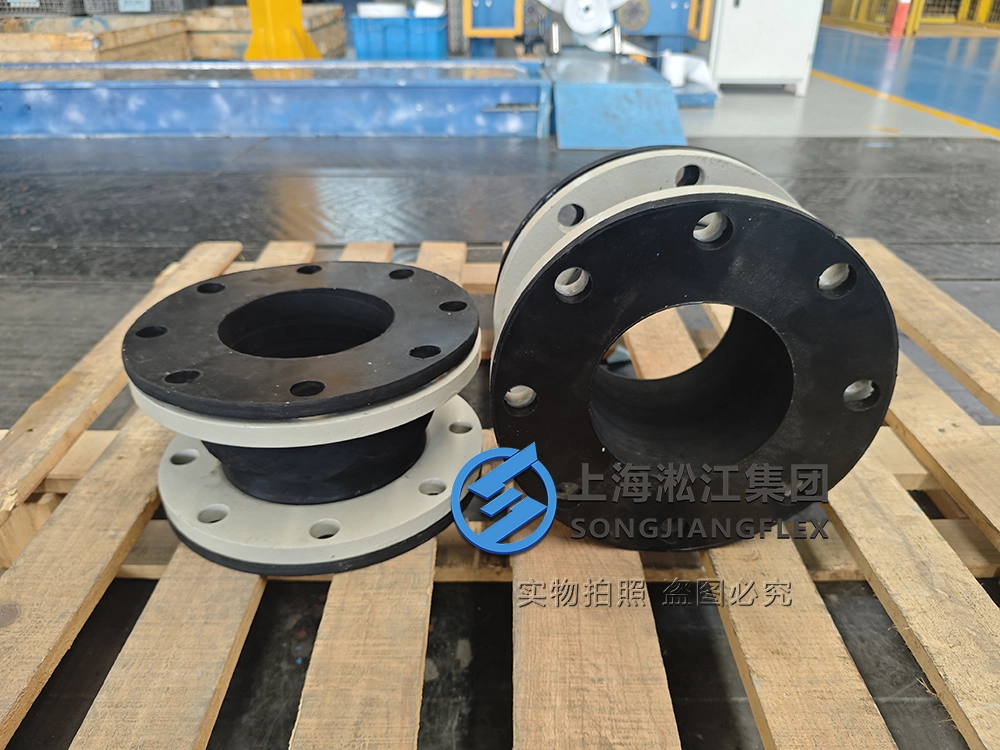
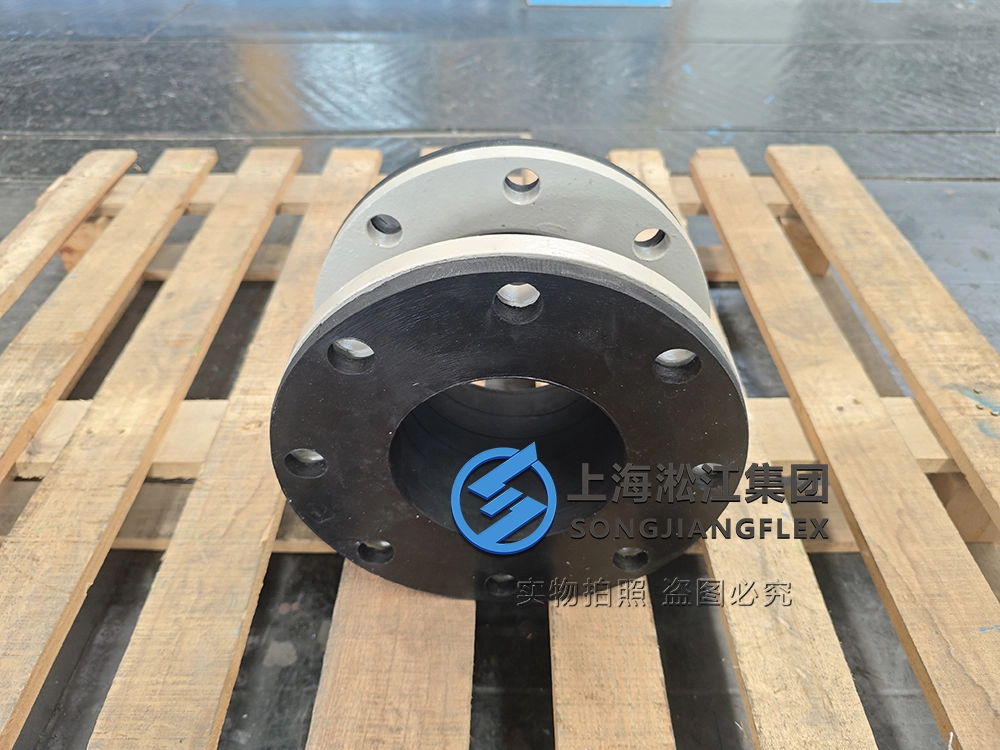
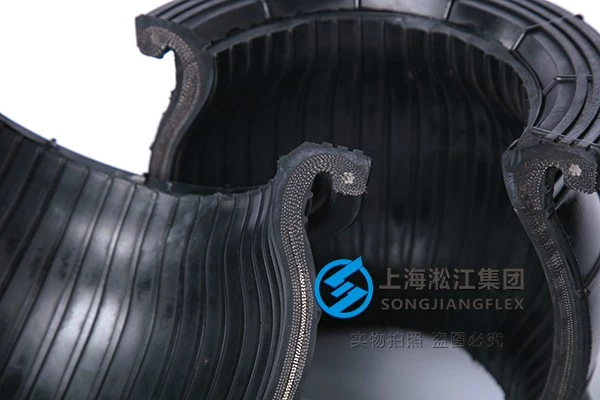
Molded Joint (Nylon & Steel Cord)
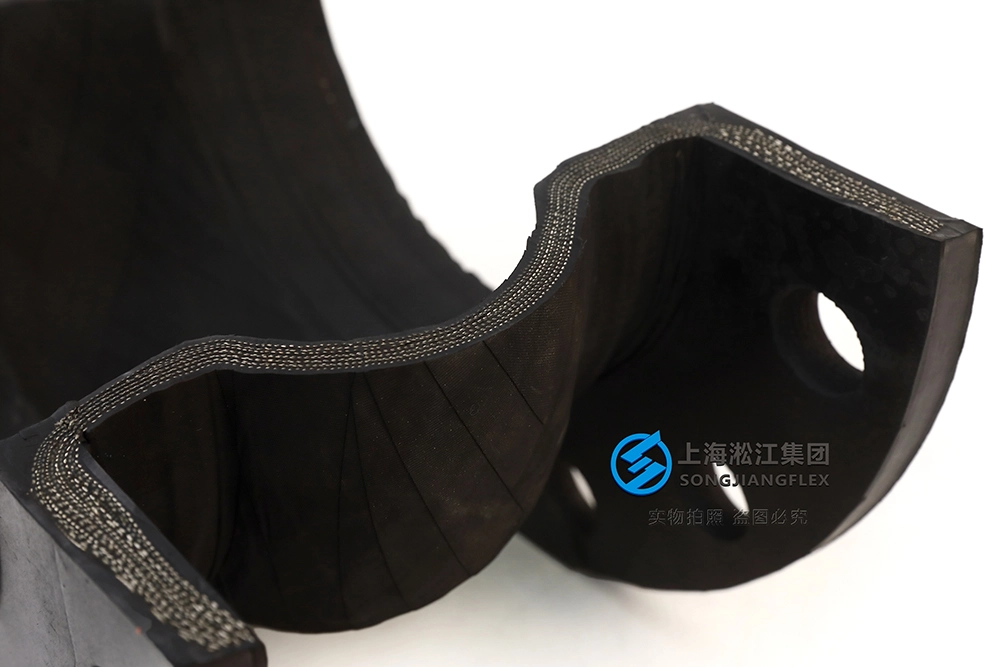
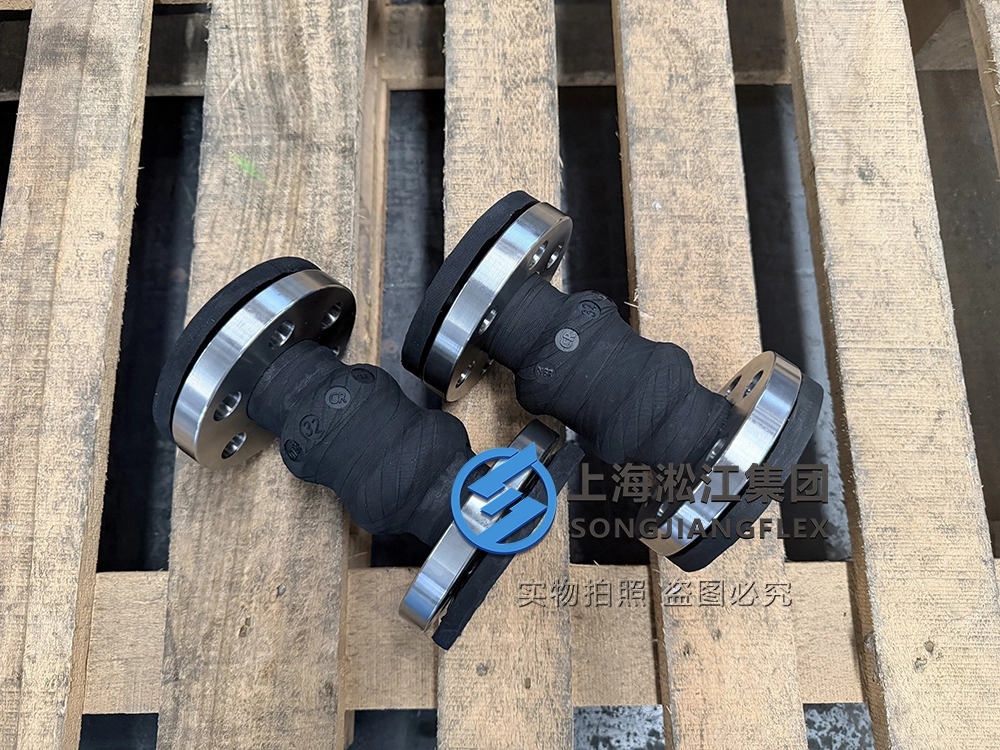
Hand-built Joint (Nylon Fabric Only)
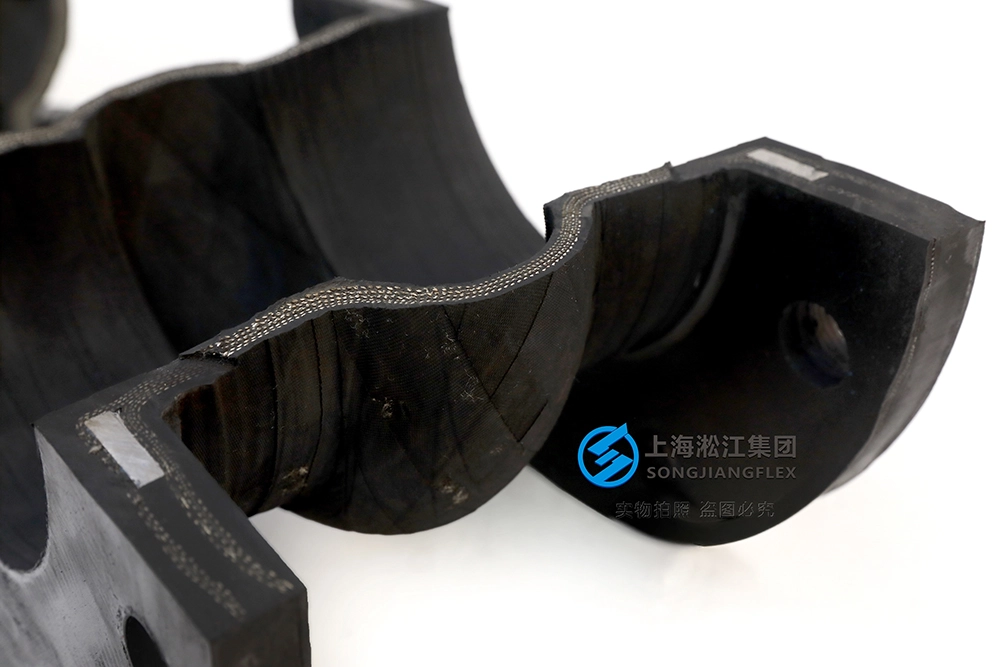
Hand-built Joint with O-ring Seal
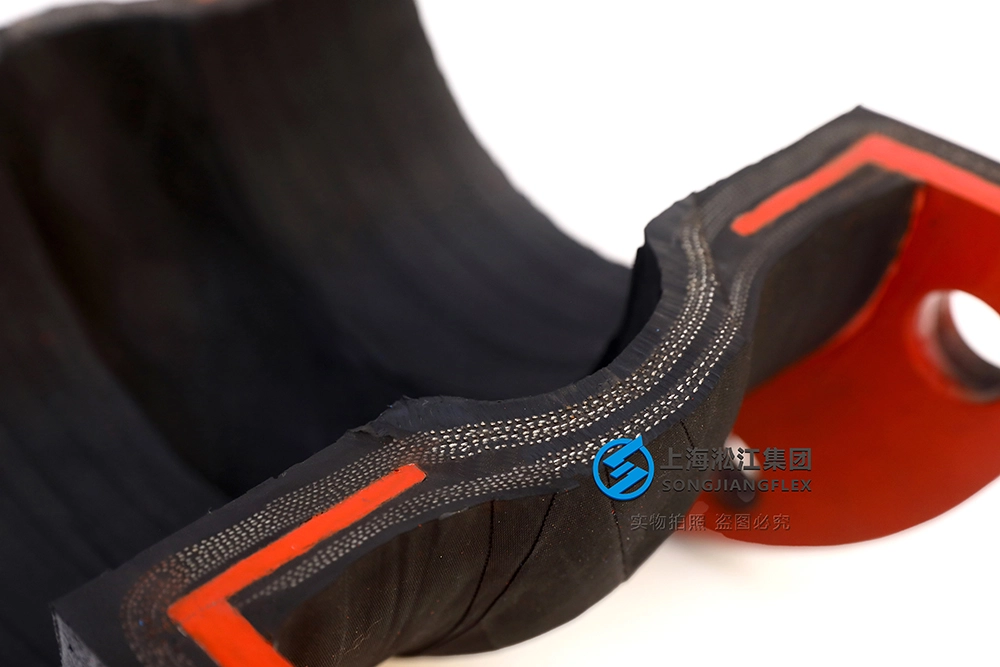
Joint with Integrated T-tube
01

Extreme Operating Conditions & Integrated Vulcanization

We manufacture custom rubber expansion joints from DN15 to DN4000, with larger sizes available on request, pressure ratings up to PN200, and application temperatures from -60ยฐC to +130ยฐC, depending on design and materials. Full-vacuum-rated designs and customized axial, lateral, and angular movements are available.Our integrated vulcanization process bonds rubber and reinforcement layers into a unified structure for reliable sealing and structural integrity.
02

Specialty Rubber Compounds & Reinforcement Systems

We manufacture rubber expansion joints using application-specific rubber compounds and reinforcement systems designed for demanding industrial service. Options include anti-static, high-abrasion-resistant, and fatigue-resistant constructions for abrasive slurries, particulate media, and repeated movement.Material formulations and reinforcement configurations are selected according to the operating environment and performance requirements.
03

Large-Diameter & Non-Standard Manufacturing

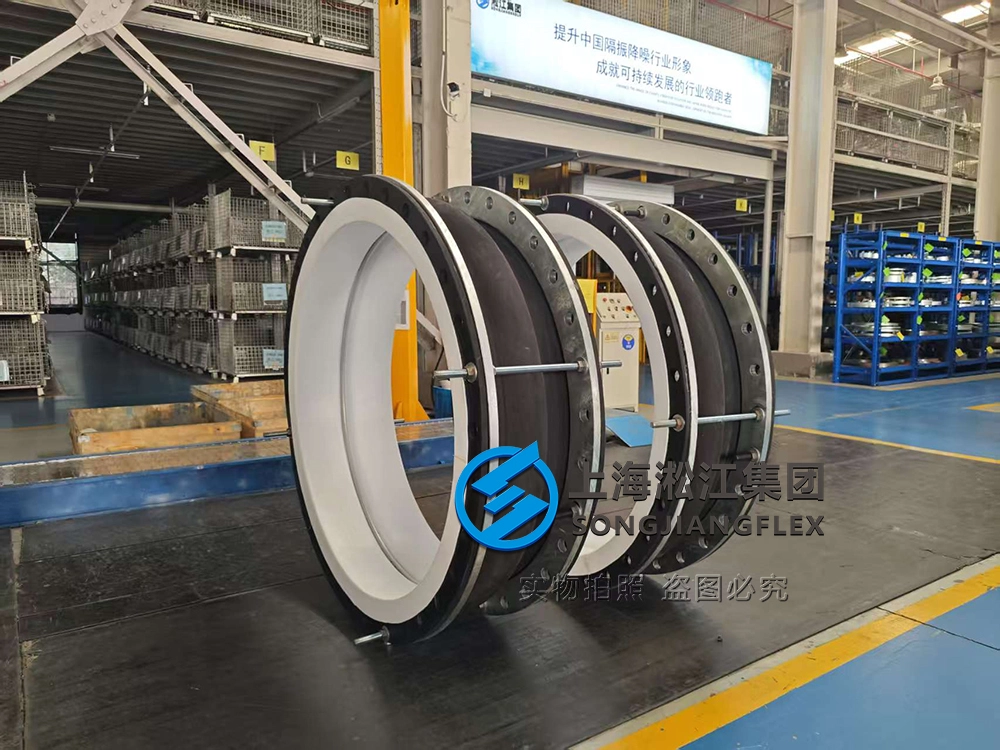
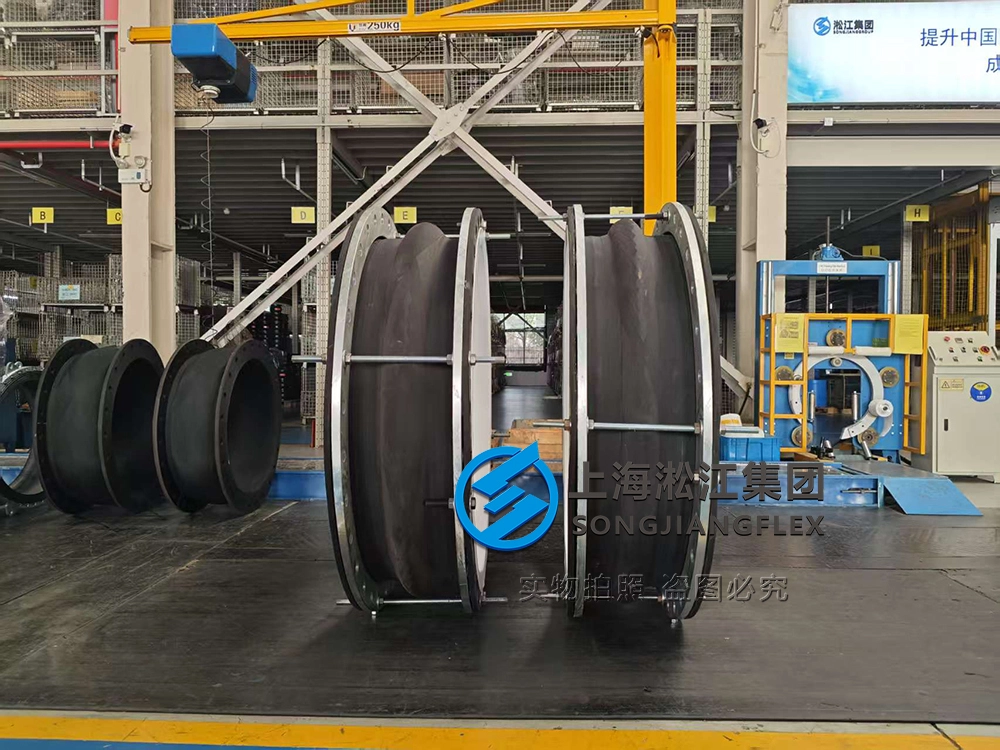
We manufacture large-diameter and non-standard rubber expansion joints, including rectangular configurations, eccentric reducers, and custom profiles for specialized piping systems.Application-specific constructions and integrated flow liners are available to address installation constraints, movement requirements, and erosion or abrasion caused by flowing media.
04

High-Pressure, Vacuum & Lined Constructions

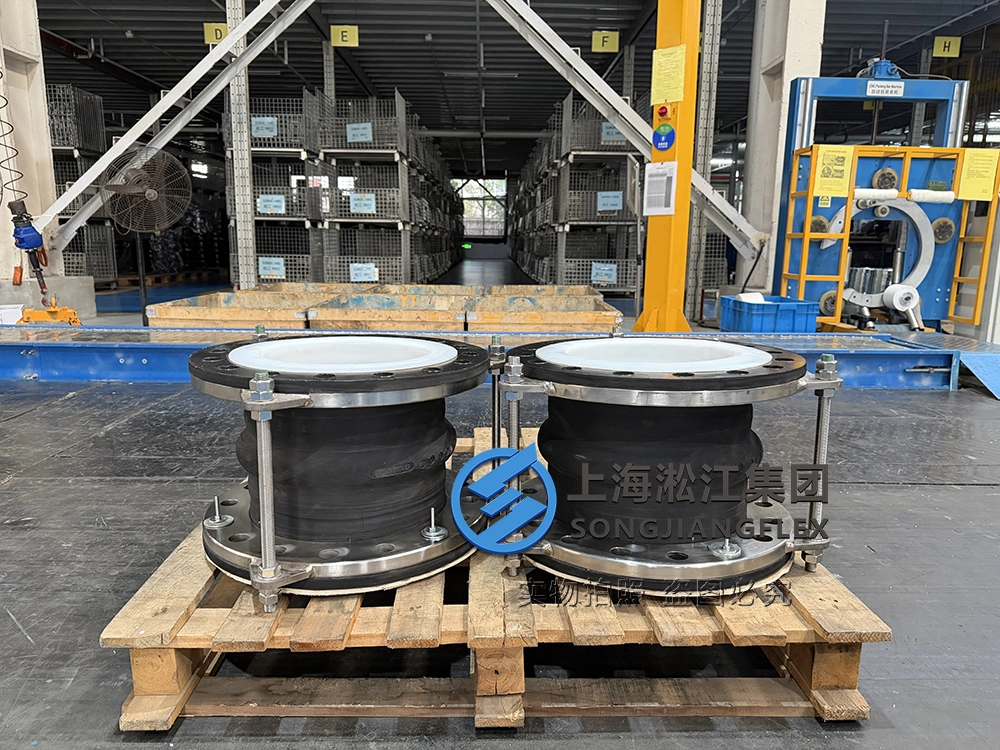
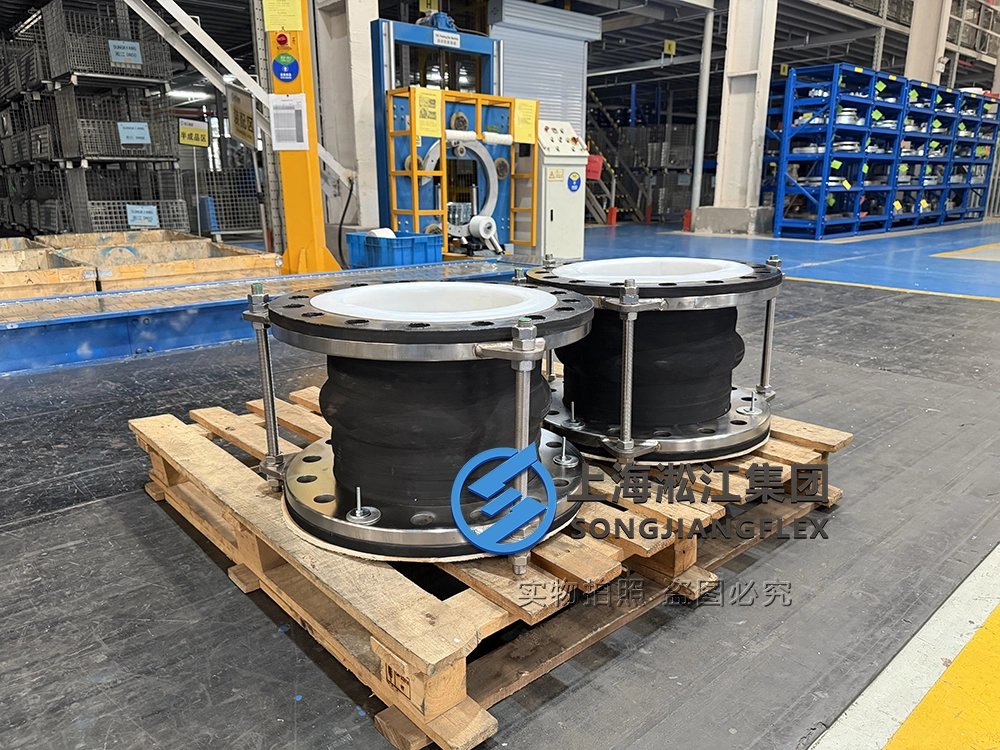
We manufacture specially reinforced rubber expansion joints for high-pressure service and demanding vacuum applications, subject to design verification and specified operating conditions.Ceramic-lined constructions help protect against severe abrasion and erosion, while PTFE-lined designs are available for selected corrosive chemical applications.
05

Elastomer Selection & Chemical Compatibility

We offer EPDM, NBR, NR, CR (Neoprene), FKM, HNBR, silicone, and CSM (Hypalon) rubber compounds for different operating environments.Material selection considers chemical compatibility, temperature, oil resistance, ozone exposure, abrasion, and mechanical requirements. Specialized anti-static compounds and PTFE-lined constructions are available for suitable applications.
06

Custom Flanges, International Standards & Marine Applications

We manufacture customized flange dimensions and drilling patterns to specified standards, including ANSI/ASME, DIN, EN, JIS, GB/T, AS, and SABS. Material options include carbon steel, stainless steel, Duplex, Super Duplex, and selected special alloys such as titanium, Hastelloy, Monel, and Inconel, subject to project requirements.Marine applications include seawater cooling, ballast systems, fuel oil lines, and shipboard piping, with applicable ABS and CCS requirements addressed according to product approval scope.
07

Drawing-Based Customization & Replacement Solutions

We manufacture rubber expansion joints to customer-provided drawings and specifications, with customization covering dimensions, rubber compounds, reinforcement, liners, and flange configurations.Drawing-based replacement solutions are available for existing installations, including products originally supplied by Trelleborg and other established manufacturers, helping maintain dimensional compatibility and minimize installation modifications.
08

Quality Control, Testing & Material Traceability

Our quality control covers incoming material verification, process control, dimensional inspection, and final product inspection.Depending on project requirements, testing may include hydrostatic pressure, vacuum, burst, and cyclic movement tests, along with material verification. Material certificates, inspection records, and applicable certification documents can be provided according to the order and certification scope.

Rubber Expansion Joint Testing & Quality Assurance

Reliable rubber expansion joint performance depends on strict material verification, manufacturing control, and functional testing. Our quality control process supports the production of custom rubber expansion joints for high-pressure, vacuum, abrasive, chemical, and heavy-duty industrial applications.

Testing includes hydrostatic pressure testing, burst pressure verification, vacuum testing, cyclic movement and fatigue life testing, rubber compound testing, tensile strength and elongation testing, tear strength testing, abrasion resistance testing, media immersion testing, low-temperature testing, ozone aging testing, hardness testing, dimensional inspection, and flange material verification.

Hydrostatic Pressure Testing

1.5ร— Working Pressure ยท PN10โ€“PN40 + Custom

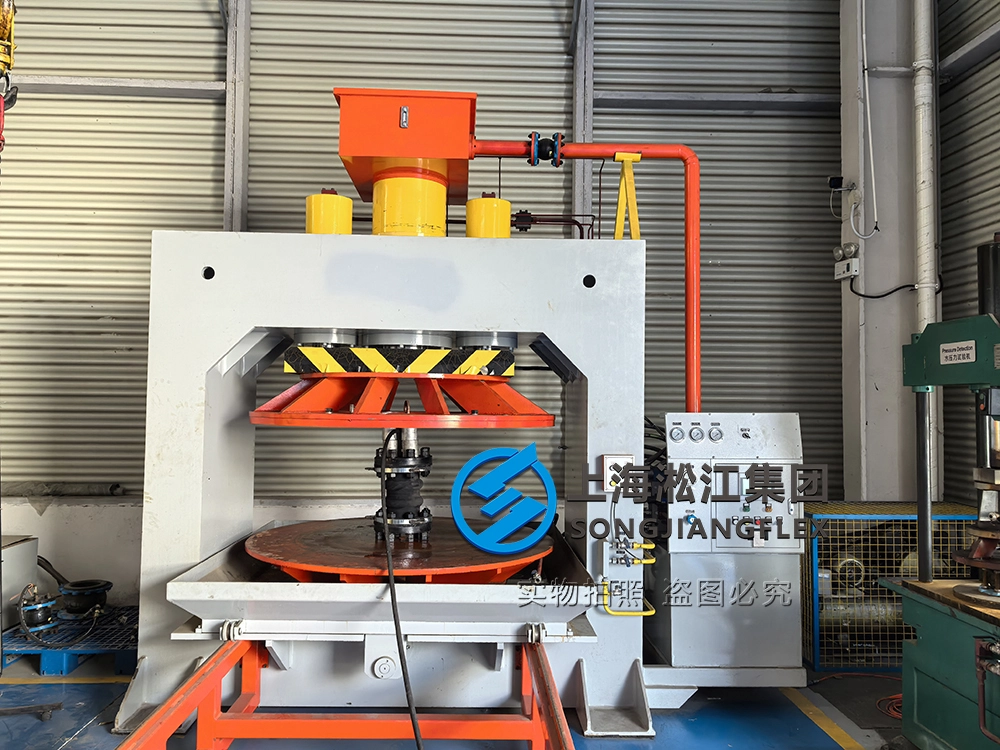
Hydrostatic testing verifies the pressure integrity and sealing performance of rubber expansion joints at 1.5ร— working pressure. Products can be tested according to project requirements, including standard pressure classes such as PN10, PN16, PN25 and PN40, with customized high-pressure testing available.
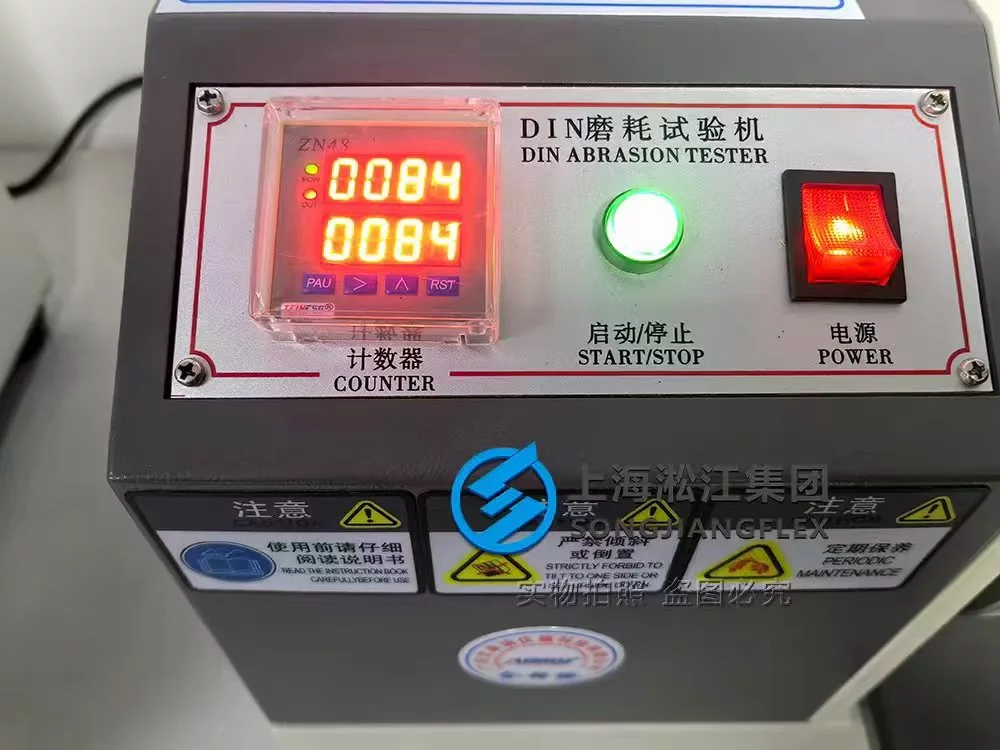
Abrasion Resistance Testing

DIN Wear Resistance Evaluation

Abrasion testing evaluates rubber compound durability under demanding conditions. EPDM, NBR, CR and other rubber materials can be verified for applications involving slurry, mining, cement, steel production and abrasive pipeline systems.
Low Temperature Testing

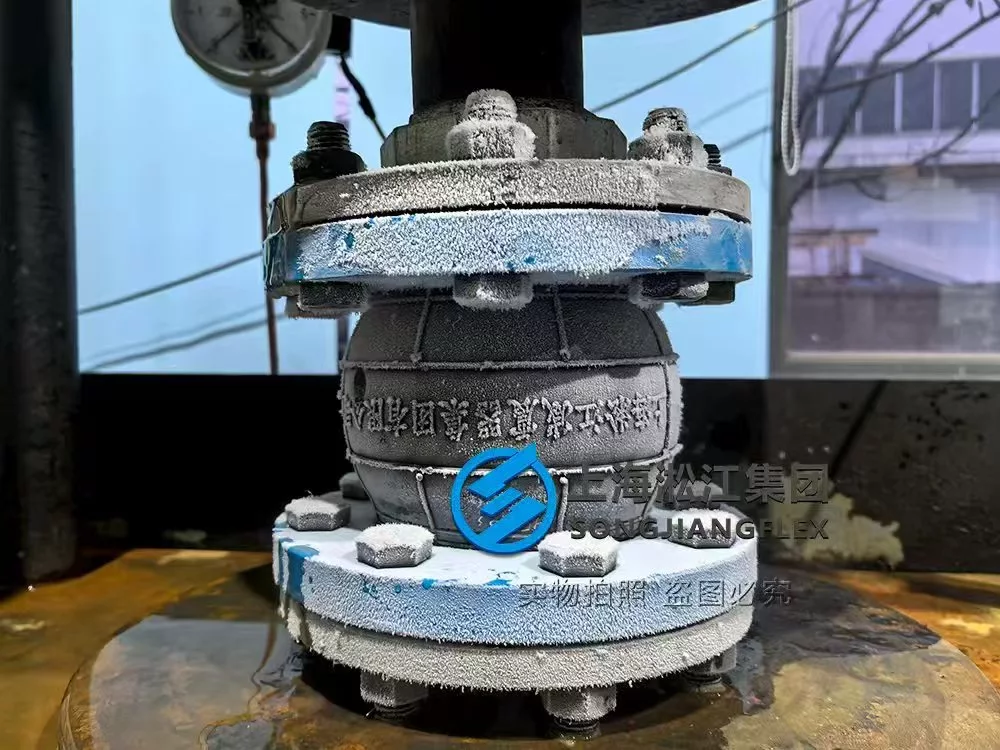
Cold Flexibility Down to โˆ’60ยฐC

Low temperature testing evaluates rubber flexibility and resistance against hardening or cracking in cold environments. Special rubber compounds such as low-temperature EPDM and silicone materials can be evaluated down to โˆ’60ยฐC for outdoor, chemical and cold climate applications.
Media Immersion Testing

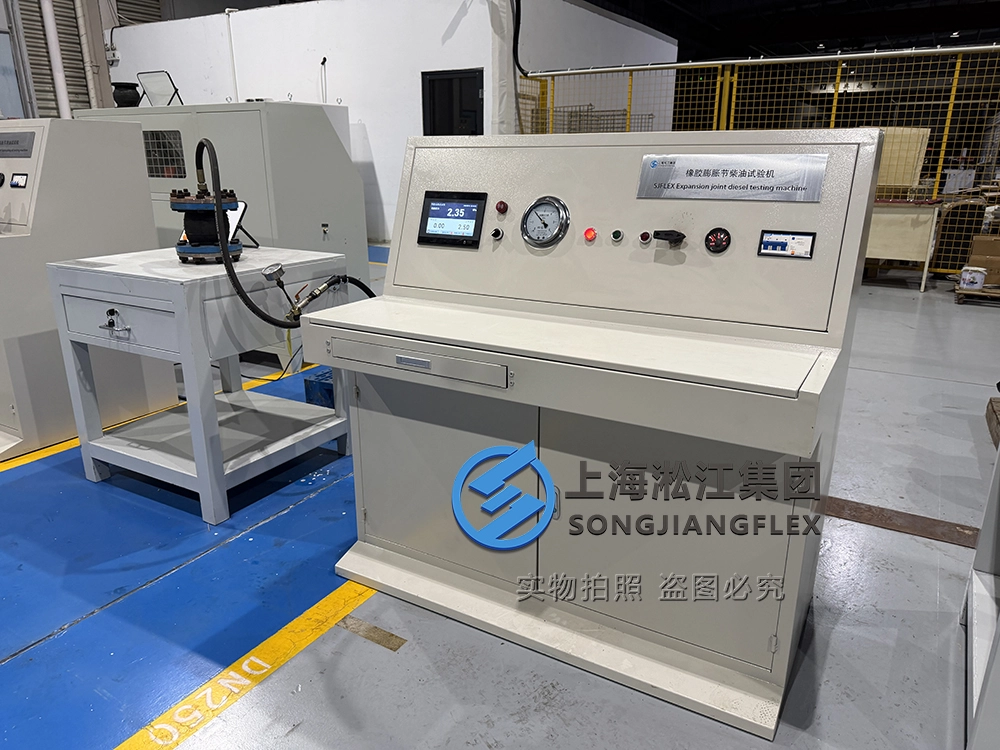
Oil ยท Chemical ยท Water ยท Steam Compatibility

Media immersion testing verifies chemical compatibility of rubber materials including NBR, FKM and EPDM. Testing covers exposure conditions involving oil, diesel, lubricants, chemicals, water and steam for industrial pipeline applications.

Rubber compound options: EPDM ยท NBR ยท CR ยท CSM ยท FKM โ€” selected by temperature, pressure and medium.

Rubber Expansion Joint FAQ

Short answers for engineers and buyers about rubber expansion joints, custom industrial rubber flexible joints, and flexible connectors.

Q1: Can your rubber expansion joints be customized for high-temperature and high-pressure applications, including piping and pump systems?

A: Yes. Backed by over 30 years of engineering expertise, we design and manufacture custom rubber expansion joints for high-temperature and high-pressure applications up to 130ยฐC.

Our manufacturing capabilities include:
    • Hand-Wrapped Joints: Engineered for extreme high-pressure duties, supporting a maximum working pressure of 11.5 MPa and a verified burst pressure of 33 MPa.

    • Molded Joints (โ‰คDN100): Custom-rated up to 4.0 MPa. These joints deliver a 3x safety factor with a 12.0 MPa burst pressure, fully complying with national standards.

We engineer and customize every rubber expansion joint solution to meet your exact operating conditions, including high-temperature, high-pressure, and pump system applications.

Q2: What type of rubber expansion joint should I select for my pipeline?

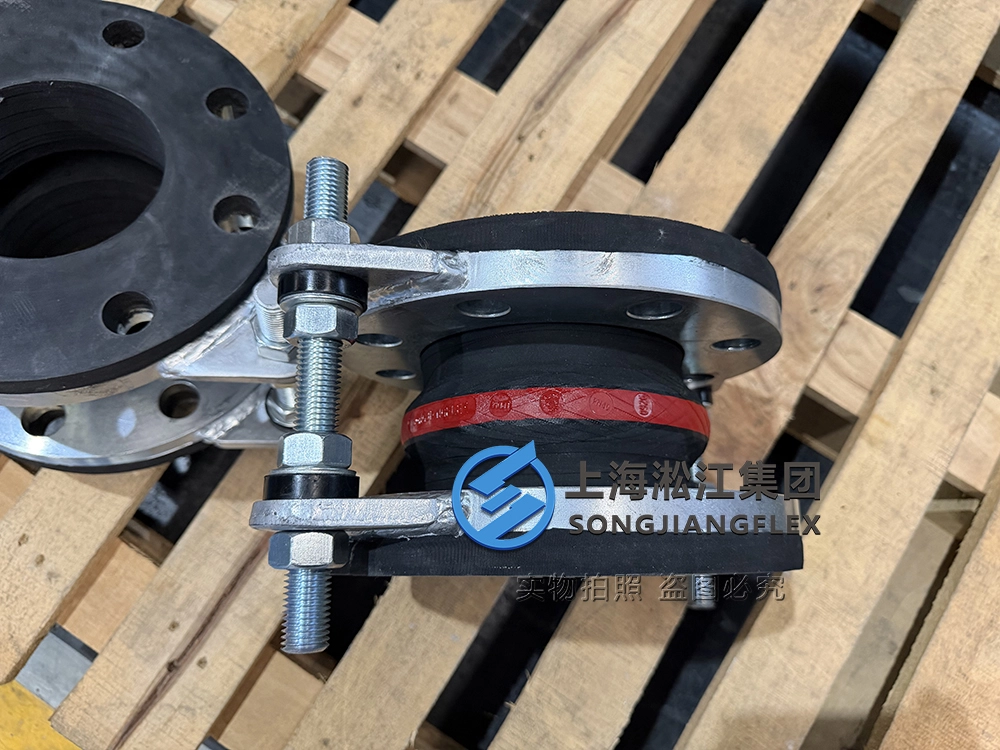
A: It depends on your working media, pressure, and temperature. For general water and HVAC systems, single-sphere and double-sphere rubber expansion joints are standard. For corrosive chemical media, we recommend PTFE-lined or specialized rubber grades like EPDM, NBR, Viton (FKM), Neoprene, and CSM. For high-pressure pipelines, PN25 or PN40 rated flexible rubber joints with control rods are required.

Q3: Can you manufacture custom rubber expansion joints for non-standard sizes or large movements?

A: Yes, absolute customization is our core strength. Backed by 30+ years of engineering expertise, we manufacture hand-built, oversize, high-movement, and vacuum-resistant custom rubber expansion joints tailored to your specific blueprints or pipeline conditions. Simply send us your drawings or application data, and our technical team will provide an engineered design solution

Q4: Which international standards do your rubber expansion joints follow?

A: Our rubber expansion joints are manufactured to meet global industrial standards. Flange connections can be customized to DIN, ANSI (Class 150/300), JIS (10K/20K), BS, and GB specifications. Available pressure ratings span from PN6, PN10, PN16, up to heavy-duty PN25 and PN40. We also support custom flexible joints with SS304, SS316, carbon steel, and galvanized flanges

Q5: What quality certifications does your rubber expansion joint factory hold?

A: Our manufacturing facility is fully ISO 9001 certified, ensuring rigorous quality control at every stage. For marine and offshore piping systems, we hold prestigious ABS and CCS certifications. Additionally, our food-grade EPDM rubber expansion joints are fully CE compliant and support independent third-party testing, ensuring they are safe and reliable for potable water, beverage, and food processing applications.